Dandelion Soup Font: A Craft Fair Review
As an embroidery designer who has spent countless hours behind a sewing machine and even more hours standing behind a booth table at weekend markets, I have learned that not every machine embroidery design is created equal. Some designs look stunning on a computer screen but fail to capture attention in person. Others are so dense with stitches that they pucker the fabric beyond repair. Today, I am reviewing the Dandelion Soup Font, evaluating it through the lens of a seller preparing for the busy Back To School season and the holiday rush.
The product description promises that this font allows your creativity to bloom, offering graceful and flowing letterforms that add a touch of elegance. But does it hold up under the harsh fluorescent lights of a convention center or the natural light of an outdoor market? Let’s dive into the practical realities of using this embroidery file for your handmade product line.
First Impressions: Elegance Meets Whimsy
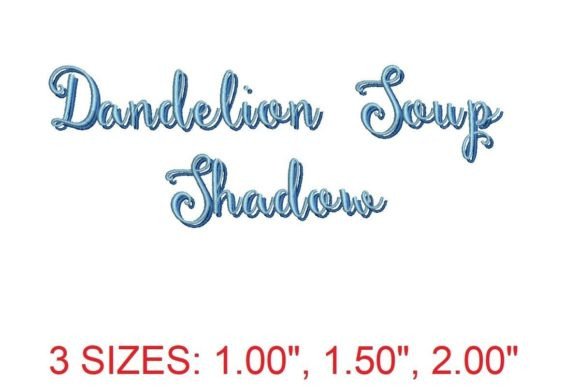
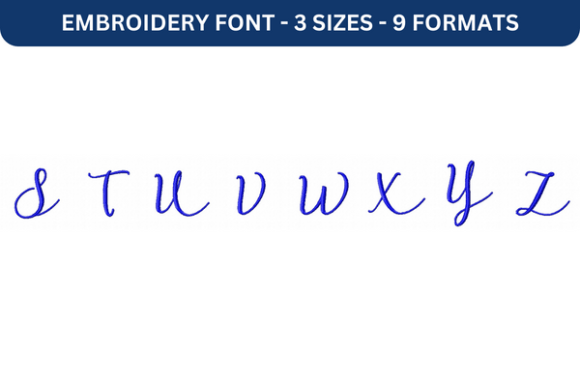
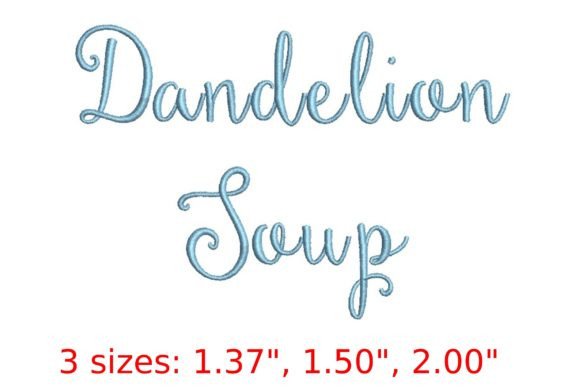
When I first loaded the Dandelion Soup Font into my digitizing software, the immediate impression was one of softness. It is not bold or aggressive; rather, it feels decorative and premium. The flowing nature of the script suggests a vibe that is both rustic and refined. For a craft fair seller, this is crucial. You need a font that communicates quality instantly. This typeface does not scream for attention like a blocky collegiate font; instead, it invites the customer to lean in closer. It feels particularly suited for nature-themed accessories and heartfelt messages, aligning perfectly with the current trend of personalized, slow-fashion items.
In the context of Embroidery, flow is everything. Jagged lines break the visual harmony, but the curves in this font appear smooth. This suggests that when stitched out, it will have a high perceived value, making it an excellent choice for boutique makers who want to elevate their brand consistency.
Product Suitability and Market Appeal
To determine if this font is a viable craft fair product, I mentally placed it on various common market items. Here is how it performs across different categories:
- Tote Bags: This is arguably the best home for the Dandelion Soup Font. A large, centered name or a short phrase like "Market Day" stitched in this script on a canvas tote creates an instant bestseller. The tote bag design benefits from the font's elegance, turning a utility item into a fashion statement.
- Aprons and Tea Towels: For kitchen textiles, this font shines. Apron embroidery often requires a touch of personality, and this script adds a homemade, cozy feel. Similarly, tea towel embroidery with simple words like "Bake" or "Fresh" looks sophisticated rather than childish.
- Caps and Hats: Here, caution is needed. Curved cap surfaces can distort long, flowing scripts. While possible, this font works better as a small accent on the side or back of a cap rather than a large front logo, where the intricate curves might get lost or distorted by the curve of the bill.
- Patches and Pouches: An embroidered patch using this font can be a great add-on sale. However, because patches are small, you must ensure the lettering remains legible. Small fabric pouches benefit from the font’s delicate nature, adding a premium touch to zipper pulls and cosmetic bags.
Production Realities and Technical Considerations
Beauty means nothing if the design is a nightmare to produce. As a Etsy seller or small shop owner, your time is money. The Dandelion Soup Font appears to be designed for readability, but there are critical technical factors to consider before you commit to batch production.
Stitch Density and Fabric Texture: Flowing scripts can sometimes suffer from high stitch density in the connecting areas between letters. If you are stitching on textured towels or thick denim, you must check your tension. On thinner fabrics like linen or cotton poplin, this font should lay flat, provided you use the correct stabilizer. I strongly recommend using a cut-away stabilizer for garments that will be washed frequently, such as t-shirts and aprons, to prevent the elegant loops from pulling out of shape over time.
Legibility at Small Sizes: One of the biggest risks with script fonts is loss of clarity. If you plan to use this for small monograms on collar stays or tiny pockets, test it first. The "graceful and flowing letterforms" mentioned in the description may merge together if scaled down too far. Always create a printable mockup or stitch a sample on scrap fabric to confirm that the individual characters remain distinct.
Thread Colors and Contrast: This font relies on its curves for impact. Using low-contrast thread colors on similar fabric shades will make the design disappear. For maximum buyer engagement, choose threads that pop against the background. A cream thread on a navy tote bag, or a sage green on a white tea towel, will highlight the elegance of the script.
Strategic Selling for the Craft Fair Booth
When setting up your booth display, the Dandelion Soup Font can serve as a anchor for your brand aesthetic. Because it feels premium, it justifies a higher price point. Customers are willing to pay more for items that look difficult to produce, and this font gives the illusion of complex hand-lettering.
For Back To School promotions, consider personalizing lunch bags or pencil cases. Parents love seeing their child’s name in a beautiful script. However, ensure you have the commercial rights. The description mentions "personalized designs," which implies customization, but you must verify the license terms of the digital embroidery file before selling finished products. Never assume; always read the license included with your design assets.
Photography is another key factor. This font photographs beautifully for online listings because the curves catch the light. When creating your Etsy listings, take close-up shots that show the texture of the stitches. The visual appeal of the flowing lines can stop a scroller in their tracks, increasing click-through rates.
Designer Notes for Best Results
Before you launch this design into your small shop product lineup, follow these practical steps:
- Test on Scrap Fabric: Never stitch a new font directly on a final product. Use scraps of the exact fabric you intend to sell.
- Check Hoop Size: Ensure the design fits comfortably within your standard hoop size without requiring excessive re-hooping, which can lead to misalignment.
- Inspect Stitch Density: Look for areas where stitches overlap excessively. If found, consider editing the file or using a heavier needle to prevent thread breaks.
- Confirm Commercial Licensing: Verify that the commercial embroidery license allows for unlimited sales of finished goods. This is non-negotiable for professional sellers.
- Create Real Mockups: Photograph the stitched design on actual products. Digital mockups are helpful, but real photos build trust with buyers.
In conclusion, the Dandelion Soup Font is a strong contender for artisans looking to add a touch of sophistication to their inventory. It bridges the gap between modern minimalism and traditional elegance. By paying attention to fabric choice, stabilizer selection, and scale, you can turn this digital asset into a high-performing physical product. Whether you are selling at a local fair or online, this font has the potential to become a staple in your collection, helping your handmade items stand out in a crowded marketplace.