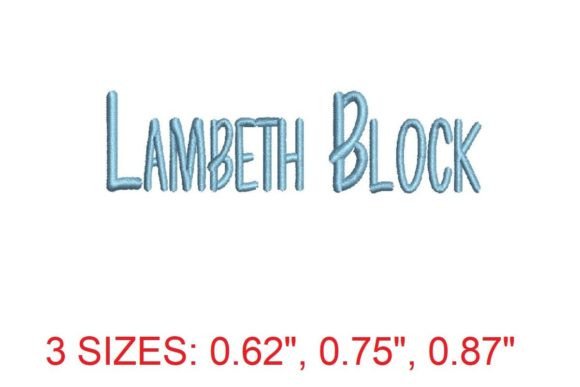
Lambeth Block Font: A Craft Fair Review
As an embroidery designer who has spent countless weekends standing behind booths at local markets, I have learned that the difference between a browser and a buyer often comes down to clarity and perceived quality. When I first loaded the Lambeth Block Font into my digitizing software, my immediate goal was not just to admire the aesthetics, but to determine its viability as a high-volume craft fair product. This review is written from the perspective of a maker preparing for the busy season, specifically looking at how this design performs in real-world applications for Back To School promotions and everyday Embroidery sales.
First Impressions and Visual Appeal
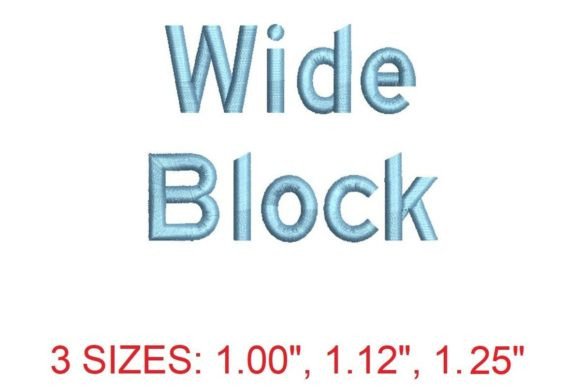
The first thing you notice about Lambeth Block Font is its structural integrity. In a market setting, customers scan tables quickly. They need to read a name or a phrase instantly. This font offers a bold, clean presence that feels both modern and timeless. It does not rely on excessive flourishes that can get lost in thread, nor is it so plain that it lacks character. It strikes a balance that feels premium yet accessible.
For a handmade product line, this visual consistency is crucial. Whether you are aiming for a rustic farmhouse vibe or a sleek minimalist aesthetic, this typeface adapts well. It commands attention without shouting, which is exactly what you want for personalized items where the customer’s own text is the star. The "block" nature of the font suggests durability and strength, making it an excellent choice for items that will see daily use, such as backpacks, lunch bags, and water bottle holders.
Performance on Key Products
To truly evaluate a machine embroidery design, you must test it across various substrates. Here is how Lambeth Block Font holds up on popular market items:
- Tote Bags and Market Bags: This is perhaps the strongest application. On canvas or heavy cotton, the font’s solid lines provide excellent coverage. A tote bag design featuring a student’s name in this font looks professional and sturdy. It photographs beautifully for online listings because the letters remain distinct even from a distance.
- Aprons and Tea Towels: For apron embroidery and tea towel embroidery, the font works well as a focal point. However, on textured towels, you must be mindful of the pile. The block style helps bridge gaps in the fabric texture, ensuring the letters remain legible despite the uneven surface.
- Caps and Hats: Embroidering on curved surfaces is challenging. Lambeth Block Font performs admirably here because the letters are uniform in height and width. This consistency helps prevent distortion when hooping. It is ideal for small shop products where you need a quick, recognizable monogram on the front panel.
- Patches and Pouches: As an embroidered patch, this font shines. The dense, blocky nature allows for clean cutting and merging. On small fabric pouches, it serves as a perfect accent, adding a touch of custom flair without overwhelming the small canvas.
Production Practicality for Sellers
For any Etsy seller or boutique maker, time is money. The practical value of Lambeth Block Font lies in its repeatability. Because the design is standardized, you can batch produce items with confidence. You do not need to constantly adjust settings for different letter combinations, as the spacing and balance appear consistent across the alphabet.
When creating a printable mockup or digital listing, this font translates well. It looks crisp in photos, which increases click-through rates. For commercial embroidery businesses, having a reliable font that guarantees impeccable stitch quality reduces the risk of reworks and wasted materials. It elevates your brand consistency, ensuring that every item leaving your studio looks like it came from the same high-quality source.
Technical Considerations and Careful Use
While Lambeth Block Font is robust, no design is foolproof. Here are critical technical notes to consider before production:
- Stitch Density: Block fonts can sometimes result in high stitch density, especially on wider letters like 'M' or 'W'. Always check the density settings in your software. If the design feels too stiff, consider using a lighter weight stabilizer or adjusting the pull compensation.
- Fabric Texture and Color: On dark fabrics, ensure you are using high-contrast thread colors. The bold lines of this font help, but poor contrast can still make the design disappear. On thick fabrics like denim or terrycloth, use a cut-away stabilizer to support the weight of the stitches.
- Small Lettering: While great for medium to large sizes, be cautious when scaling this font down for tiny accents. Intricate details may merge if the size is too small. Always test on scrap fabric before committing to a finished product.
- Hooping: Confirm your hoop size compatibility. For longer names, you may need a larger hoop or a multi-hooping technique. Ensure your machine can handle the continuous stitching required for full words without jumping.
Enhancing Brand Value and Customer Engagement
Using a high-quality digital embroidery file like Lambeth Block Font directly impacts your perceived value. Customers associate clean, professional stitching with higher price points. When a buyer sees a name embroidered in a crisp, well-defined font, they perceive the item as a lasting keepsake rather than a disposable novelty.
This font also aids in booth display strength. Uniformity in your samples creates a cohesive look that draws the eye. If you are selling design assets or finished goods, the versatility of this font allows you to cater to a wide audience, from parents buying Back To School gear to bridesmaids seeking personalized gifts. It bridges the gap between playful and sophisticated, making it a safe yet stylish choice for diverse customer bases.
Final Designer Notes for Implementation
Before you launch your new collection, take these final steps to ensure success:
- Test on Scrap Fabric: Never skip this step. Test the font on the exact fabric type you plan to sell. Check for puckering or thread breaks.
- Review Spacing: Look at the kerning between letters. Ensure there are no unwanted gaps or overlaps that could affect readability.
- Check Licensing: Always confirm the commercial licensing terms of your embroidery file. Ensure you have the right to sell finished products made with this design.
- Create Real Mockups: Photograph the design on actual products, not just digital overlays. Show customers how the thread sits on the fabric to build trust.
In conclusion, Lambeth Block Font is a versatile and reliable addition to any embroidery designer’s library. Its ability to deliver professional-looking results on a variety of small shop product lines makes it a valuable asset for craft fair vendors and online sellers alike. By paying attention to technical details and leveraging its bold aesthetic, you can create standout items that resonate with customers and drive sales.