Jimmy Font: A Designer’s Review for Personalized Gifts
As an embroidery designer who has spent countless hours hooping fabric and trimming jump stitches, I know that the right font can make or break a personalized gift. When I first loaded the Jimmy Font into my digitizing software, I was looking for more than just aesthetic appeal; I needed reliability. Whether you are personalizing garments, accessories, or home decor, this font guarantees impeccable stitch quality and professional-looking results. Elevate your embroidery creations with the timeless charm that Jimmy Font brings to the table. In this review, I will walk you through my experience testing this design, specifically focusing on its potential for the Back To School season and everyday custom orders.
First Impressions: Mood and Emotional Appeal
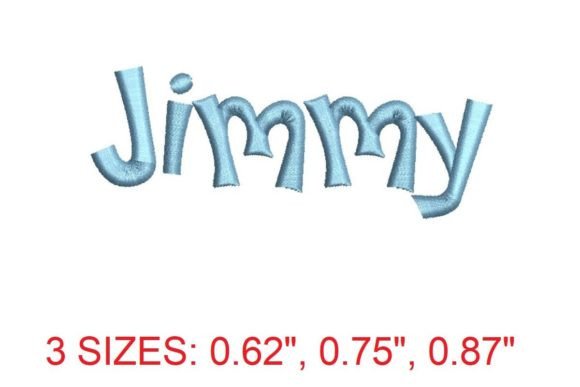
The moment I previewed the machine embroidery design, I noticed its balanced character. It does not scream for attention with overly complex swirls, nor does it feel sterile and modern. Instead, Jimmy Font exudes a warm, handmade quality that feels both classic and approachable. For a crafter or an Etsy seller, this is gold. It suggests elegance without being intimidatingly formal. The lines are clean, which hints at good stitch flow, but there is enough personality in the letterforms to create an emotional connection with the recipient. It feels sweet enough for a nursery item yet structured enough for a sophisticated kitchen towel. This versatility is rare in digital embroidery files, where fonts often lean too heavily into one specific style.
Real-World Application: From Baby Blankets to Tote Bags
To truly test Jimmy Font, I imagined several real-case scenarios involving customers who value meaningful, customized items. Let us start with baby embroidery. Imagine a customer ordering a monogrammed receiving blanket. The softness of the font complements the delicate nature of baby products. Because the design avoids excessive density, it is less likely to pucker lightweight cotton or muslin fabrics, provided you use the correct stabilizer. The result is a finished product that feels gentle against the skin, enhancing the perceived value of the handmade product.
Moving beyond the nursery, consider the wedding gift market. A bride might request custom aprons for her bridesmaids or a personalized pillow cover for the honeymoon suite. Jimmy Font performs beautifully here. Its timeless aesthetic ensures that the item will not look dated in five years. When stitched onto a linen pillow cover, the texture of the thread interacts nicely with the fabric weave, creating a tactile experience that photos alone cannot convey. For an Etsy seller, this means higher buyer engagement, as customers are drawn to items that look like heirlooms rather than mass-produced goods.
For the Back To School category, this font is a standout choice for custom tote bags and lunch sacks. Parents want names that are legible but stylish. Jimmy Font offers clear letterforms that remain readable even at moderate sizes. Whether you are stitching on a canvas tote or a nylon lunch bag, the design maintains its integrity. It elevates a simple school supply into a small shop product that stands out in a crowded marketplace.
Navigating Fabric Textures and Technical Challenges
While Jimmy Font is versatile, no embroidery file is universal. As a professional, I must advise caution when working with challenging materials. The first consideration is fabric texture. On thick, textured towels, the finer details of any font can get lost. I recommend testing Jimmy Font on a scrap piece of your specific towel stock. If the loops of the terry cloth swallow the stitches, you may need to increase the size slightly or choose a heavier weight thread to ensure visibility. Conversely, on smooth quilting cotton, the stitch definition will be crisp and sharp.
Stretchy fabrics, such as those used for baby onesies or athletic wear, require extra attention. Even with a high-quality stabilizer, stretch can distort lettering. I always recommend using a cut-away stabilizer for garments that will be washed frequently. This provides long-term support and prevents the embroidery from pulling away from the fabric over time. Additionally, when working on curved surfaces like hat fronts or rounded pillow edges, ensure your hoop size is appropriate. A smaller hoop might restrict your ability to center the name perfectly, so plan your layout carefully before hitting the start button.
Dark fabrics present another challenge. While Jimmy Font looks elegant in white thread on navy blue, you must check your thread color contrast. A low-contrast combination can make the text hard to read, diminishing the impact of the personalized gift. Always create a printable mockup or a digital preview to verify that the chosen thread colors pop against the background fabric. This step saves time and reduces the risk of customer dissatisfaction.
Enhancing Giftability and Perceived Value
Why does font choice matter so much for business owners? It comes down to trust and perceived value. A sloppy or poorly digitized font signals low quality, while a clean, professional design like Jimmy Font signals care and expertise. When a customer receives an embroidered towel with crisp, well-balanced lettering, they feel confident in their purchase. This builds customer trust and encourages repeat business. For handmade sellers, this is crucial. Your reputation rests on the quality of every stitch.
Furthermore, Jimmy Font enhances product photography. Clean lines photograph well, allowing the texture of the thread to shine without visual clutter. This leads to better online listings and higher conversion rates. Whether you are selling digital embroidery files or finished physical goods, the aesthetic appeal of the font directly influences buyer engagement. It transforms a simple item into a cherished keepsake.
Practical Notes for the Embroiderer
Before you begin your next project with Jimmy Font, keep these practical tips in mind:
- Test on Scrap Fabric: Never stitch a final product without a test run. Check for puckering, thread breaks, and registration issues.
- Check Stitch Density: Review the design settings in your software. If the density seems too high for your fabric, adjust it to prevent stiffness.
- Confirm Hoop Size: Ensure the design fits comfortably within your hoop, leaving enough margin for proper clamping.
- Use Proper Stabilizer: Match your stabilizer to your fabric type. Cut-away for knits, tear-away for wovens, and wash-away for delicate or sheer fabrics.
- Verify Licensing: Before selling finished products, confirm the commercial licensing terms of the digital embroidery file. Most designers allow sales of physical items, but restrictions on sharing the file itself are standard.
In conclusion, Jimmy Font is a reliable, aesthetically pleasing addition to any embroidery designer’s library. It bridges the gap between playful and professional, making it ideal for a wide range of applications from baby showers to wedding gifts. By understanding its strengths and respecting the technical requirements of different fabrics, you can create stunning, high-value personalized gifts that customers will love. Take the time to test, refine, and perfect your process, and let Jimmy Font elevate your craft.