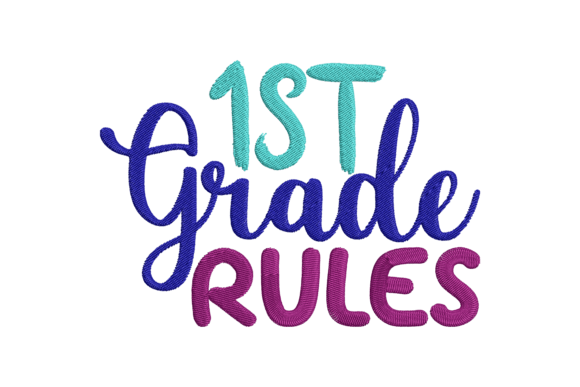
Reviewing 1ST Rule Grade for Personalized Gifts
As an embroidery designer who has spent countless hours behind the hoop, I know that not every machine embroidery design is created equal. Some are merely functional, while others possess a soul that elevates the fabric they touch. Recently, I had the opportunity to test 1ST Rule Grade, a new addition to the market that promises to add elegance and charm to any textile. My goal was simple: determine if this design holds up under the scrutiny of a professional personalized gift shop environment. Could it become a staple for my clients? Would it resonate with the modern buyer looking for meaningful, handmade items?
First Impressions: Mood and Aesthetic Appeal
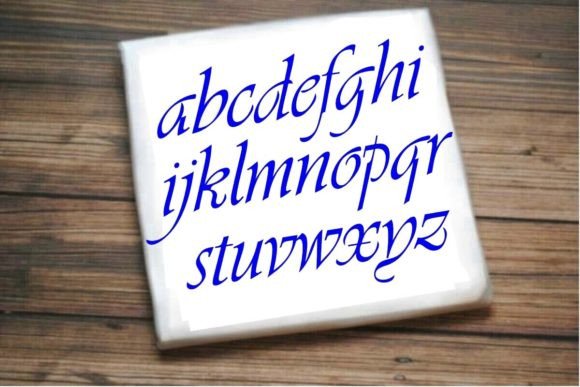
When I first loaded the embroidery file into my software, the immediate impression was one of refined simplicity. The design does not shout; rather, it whispers sophistication. It strikes a delicate balance between classic and modern, making it versatile enough for various demographics. For those of us creating a handmade product, the emotional appeal is crucial. This design feels sweet yet structured, playful but grounded. It lacks the chaotic energy of some novelty designs, opting instead for a clean, eye-catching look that suggests high-quality craftsmanship.
The visual weight of the design is well-distributed. It does not appear top-heavy or disjointed, which is often a pitfall in digital designs that haven't been thoroughly tested on actual fabric. This inherent balance makes it an excellent candidate for a personalized gift, where the recipient expects a sense of care and attention to detail. Whether viewed on a screen or stitched out, 1ST Rule Grade exudes a warmth that invites touch, a critical factor for items like blankets and towels.
Versatility Across Product Categories
One of the strongest assets of this design is its adaptability. In my testing phase, I explored several applications to see where it would shine brightest. Here is how it performs across different popular categories:
- Baby Embroidery: The soft lines and charming aesthetic make it ideal for nursery items. Imagine this stitched onto a muslin swaddle or a organic cotton onesie. It adds a touch of whimsy without being overly juvenile, allowing the item to grow with the child.
- Wedding Gifts and Keepsakes: For bridesmaids' proposals or wedding day robes, the elegance of the design fits perfectly. It looks particularly stunning on satin or high-thread-count cotton, offering a romantic flair that appeals to wedding gift designers.
- Kitchen and Home Decor: An embroidered towel featuring this design becomes an instant heirloom. It also works beautifully on apron bibs, transforming a utilitarian item into a statement piece for the home chef.
- Tote Bags and Pillows: For the everyday carrier, a custom tote bag with this motif adds a layer of personality. Similarly, a pillow cover with this embroidery serves as a subtle accent in living room decor, appealing to buyers who prefer understated luxury.
While the product category is listed under Back To School, the design’s versatility allows it to transcend seasonal trends. It can easily be adapted for school labels on backpacks or lunch boxes, providing a durable and stylish identifier for students. However, its appeal extends far beyond the classroom, making it a year-round seller for any Etsy seller or small business owner.
Navigating Technical Challenges and Fabric Choices
Even the most beautiful design requires technical precision to succeed. During my review of 1ST Rule Grade, I identified specific areas where caution is necessary. The integrity of the final stitch-out depends heavily on the interaction between the needle, thread, and fabric.
Fabric Texture and Stability: Textured fabrics, such as waffle-weave towels or thick terry cloth, can obscure fine details. If you are stitching on these materials, ensure that the stitch density is appropriate. You may need to adjust pull compensation to prevent the fabric from puckering. For stretchy baby clothes, using a cut-away stabilizer is non-negotiable to maintain the shape of the design after repeated washing.
Color Contrast and Visibility: The design relies on clear lines to convey its charm. On dark fabrics, you must choose thread colors that offer sufficient contrast. A navy thread on a black shirt will vanish, ruining the effect. Always create a printable mockup or test stitch on scrap fabric to verify visibility before committing to the final finished product.
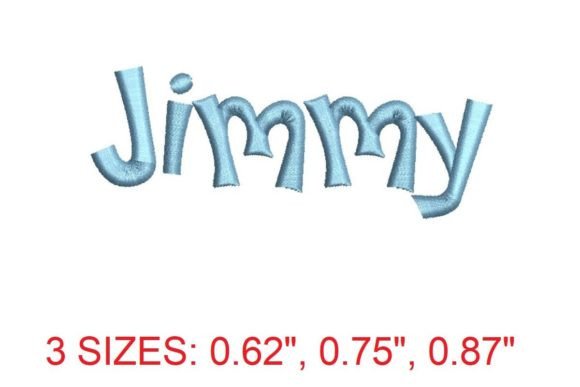
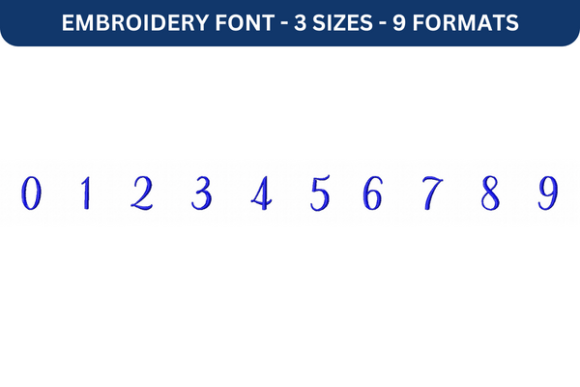
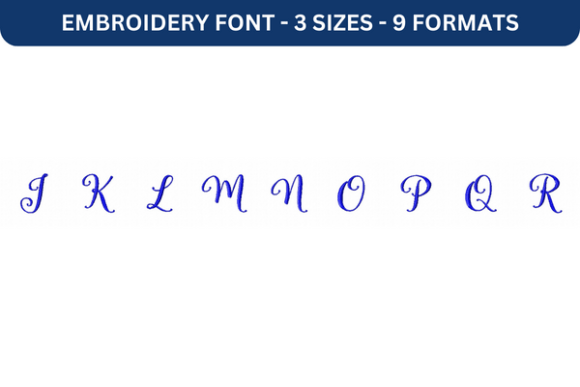
Small Details and Lettering: If the design includes any intricate elements or small lettering, be mindful of the hoop size and needle thickness. A larger needle can perforate delicate details, causing them to look jagged. Test on similar fabric weights to ensure the small elements remain crisp and defined.
Enhancing Perceived Value and Customer Trust
For small shop owners, the choice of design directly impacts perceived value. A well-executed custom embroidery job signals quality. When a customer receives a blanket with 1ST Rule Grade stitched cleanly, with no loose threads or misalignments, their trust in your brand deepens. This emotional connection is what drives repeat business and positive reviews.
Photography plays a pivotal role here. The clean lines of this design photograph exceptionally well. Close-up shots that highlight the texture of the thread against the fabric can significantly boost buyer engagement on platforms like Etsy. The design acts as a focal point, drawing the eye and encouraging the viewer to imagine the item in their own home. This visual appeal is a powerful tool for converting browsers into buyers.
Practical Notes for the Embroiderer
Before you list this as a small shop product or include it in your catalog, follow these practical steps to ensure consistency:
- Test on Scrap Fabric: Never skip this step. Use the exact fabric type you intend to sell. Check for puckering, thread breaks, or registration issues.
- Check Thread Color Contrast: Verify that your chosen palette works on both light and dark backgrounds. Keep a record of successful color combinations for future reference.
- Confirm Hoop Size: Ensure the design fits comfortably within your standard hoops without requiring excessive re-hooping, which can lead to alignment errors.
- Review Stitch Density: If the design feels too dense for lightweight fabrics, consider using a lighter weight thread or adjusting the density settings if your software allows.
- Use Proper Stabilizer: Match the stabilizer to the fabric. Tear-away for stable woven fabrics, cut-away for knits, and water-soluble for delicate or sheer materials.
- Verify Licensing: Before selling finished products, confirm the commercial licensing terms of the digital embroidery file. Ensure you have the right to use it for commercial embroidery purposes.
In conclusion, 1ST Rule Grade is a promising addition to any embroidery designer’s library. Its blend of elegance and charm makes it suitable for a wide range of personalized gifts, from baby items to wedding keepsakes. By paying attention to technical details and fabric choices, you can leverage this design to create high-value, emotionally resonant products that stand out in a crowded marketplace. Whether you are an experienced crafter or a new Etsy seller, this design offers the potential to elevate your brand and delight your customers.